
Social Stories

By Christine Hemelians, MS, OTR/L Social Stories are used as a learning tool to explain and illustrate certain social situations and problems and how people deal with them. Carol Gray, developed the concept of Social Stories, to help individuals with Autism navigate certain social situations. They help describe what might be expected during a specific […]
Baby-Led Weaning

By Deborah Lee MS, OTR/L What is baby-led weaning? Is a popular approach to starting solid foods. It skips over purees and jumps into finger foods that baby can self-feed. While it is inevitable and common for parents to spoon-feed their babies until a certain age, baby-led weaning places the independence on babies to take […]
Pacifier use

By Madison Gwizdalski MS-CCC, SLP Oh, the controversial pacifier! You might also know it as a binky, nookie, pon-pon, or dummy… (amongst others). Some parents swear by it and can’t imagine toddlerhood without this tool… others could never imagine giving one to their child! Is there any in-between? As child development specialists, we know that […]
Core Activation Activities
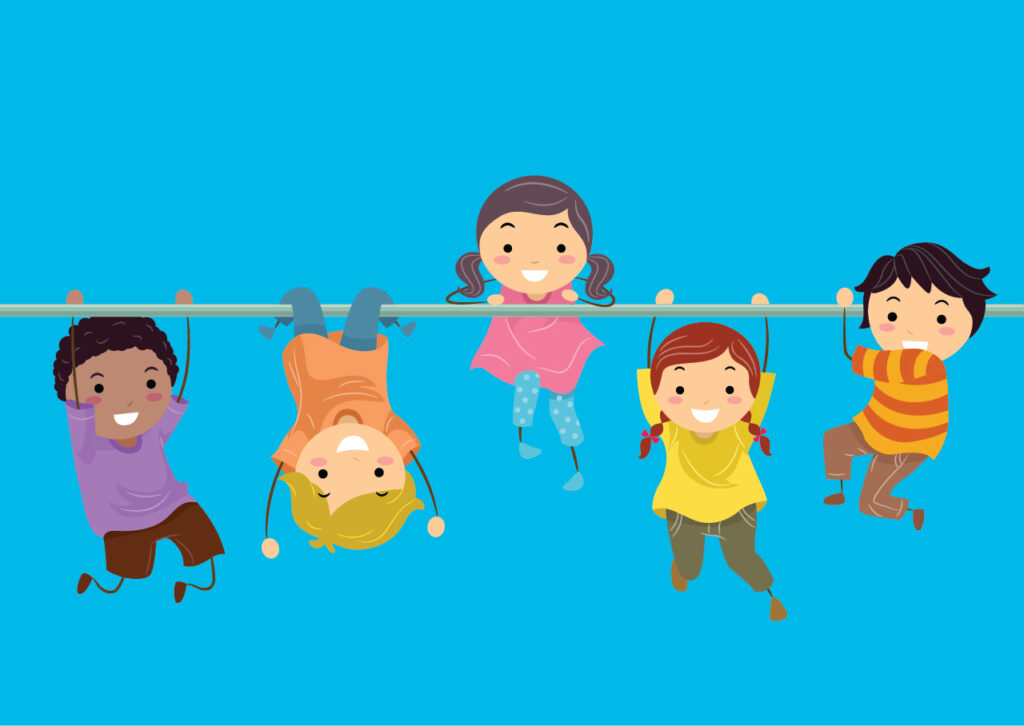
By Erica Gliga MOT, OTR/L More core, please! Core strength is foundational for developing an upright posture and motor skill development. Here are some different ideas to inspire activities that will actively engage your child’s core through play and movement. Swinging, Climbing, and Sliding Swinging is a great way to activate the core and increase […]
Using Music to Help Children Learn Language

By Madison Gwizdalski MS-CCC, SLP Have you ever noticed that your child’s eyes light up when they hear their favorite song? Or witnessed them jump up and down from excitement when they recognize the beginning beats of “Baby Shark”? What about the calming effects that certain lullabies will have on soothing your fussy baby? We […]
The Importance of Movement Breaks
By Christine Hemelians, MS, OTR/L Think back to your childhood and remember how common it was to hear the phrase “sit still and pay attention!” During my childhood, educators and parents alike, instilled the expectation for kids to sit without fidgeting or moving during learning activities. And if we were unable to, it was common […]
Age-Appropriate Chores and Tasks

By Kyla Cole, COTA/L Engaging young children in age-appropriate chores and tasks around the house not only instills a sense of responsibility but also promotes their overall development. These activities play a role in enhancing fine motor skills, coordination, sensory integration, and overall independence. Before assigning chores and tasks to young children, it’s important to […]
Infant Oral Reflexes

By Rouzan Dishoian, MS, CF SLP Reflexes are involuntary responses to certain stimuli that help us protect our body from things that can harm us. Infants are born with a few oral-pharyngeal reflexes that are critical to maintain life and ultimately serve functions, such as feeding, breathing, and communication. Here are some infant oral-reflexes: Rooting […]
The benefits of using a visual schedule
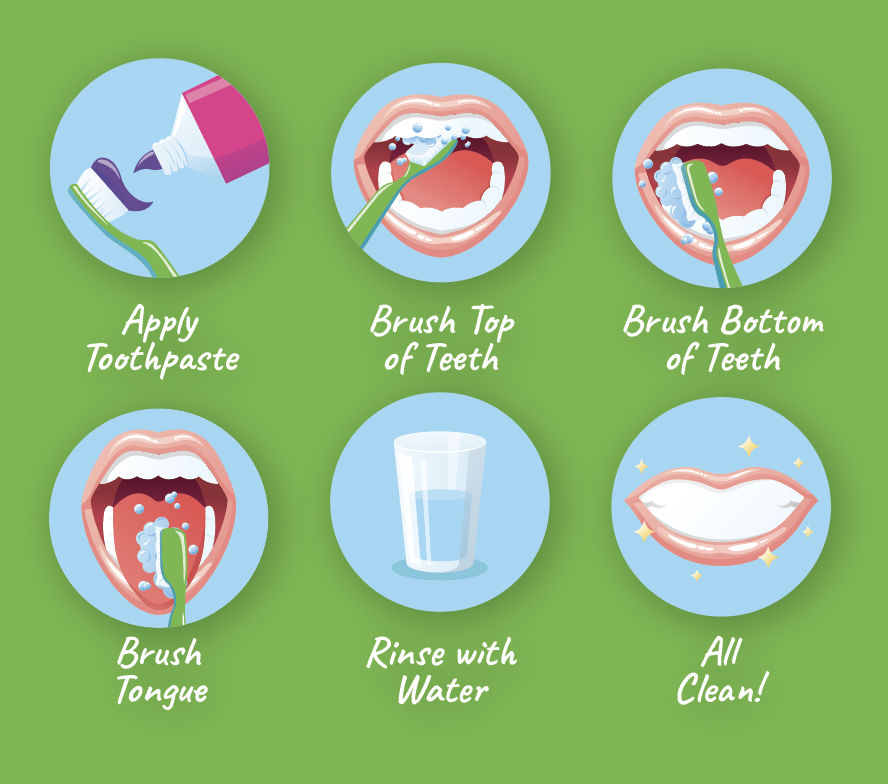
By: Christine Hemelians, MS, OTR/L Adults often use calendars, post-its, “to do” lists, and organizers to help complete tasks and enhance memory. Children as young as 12 months can also benefit from similar tools and reminders. When a child doesn’t understand what he/she is expected of them or what they’re supposed to do, and an […]
Screen Time

By Deborah Lee MS, OTR/L Screen time is definitely an advantage for parents to keep their little ones occupied while they have to deal with work related matters or even small tasks to complete at home. However, did you know that the Centers for Disease Control and Prevention (CDC) advises against screen time especially for […]